
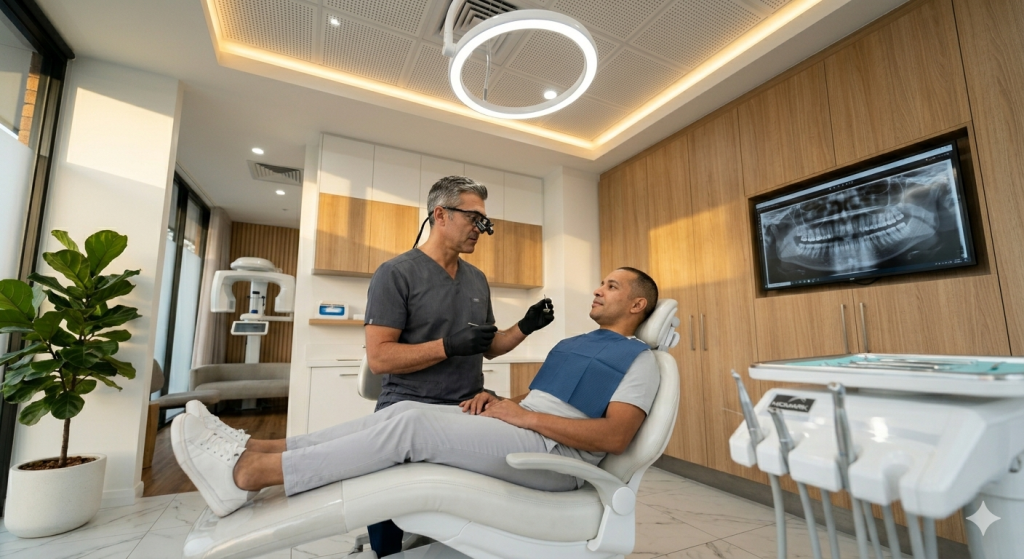
Finding the best dental implants in Mobile, Alabama, means looking for a trusted dental expert who combines skill with a patient-focused approach. The best dental implants in Mobile offer durable, natural-looking results while prioritizing your comfort and oral health throughout the process.
Mobile dentists use modern techniques to ensure implants fit well and last long, helping patients regain confidence in their smile. Whether replacing one tooth or several, they offer options tailored to individual needs and lifestyles.
If someone is considering dental implants, it’s important to choose a provider who explains every step clearly and supports gentle care. Asking questions and consulting with a local expert can make all the difference in achieving the best possible outcome.
Understanding Dental Implants
Dental implants replace missing teeth with a solution that closely mimics natural teeth. They provide a stable foundation and improve both function and appearance. The following details explain what implants are, how they work, and why they often outperform other tooth replacement methods.
What Are Dental Implants?
Dental implants are small titanium posts surgically placed into the jawbone. They act as artificial tooth roots, providing a base for crowns, bridges, or dentures. Because titanium is biocompatible, the bone naturally fuses with the implant over time, making it very secure.
This fusion, called osseointegration, typically takes a few months. Implants are custom-made to match the shape, size, and color of surrounding teeth. They don’t rely on neighboring teeth for support, preserving the natural tooth structure around them.
How Do Dental Implants Work?
After placement, an implant integrates with the jawbone to create a stable anchor. Once healed, a small connector called an abutment is attached to the implant. This abutment holds the artificial tooth or teeth in place.
The final restoration, such as a crown, is securely fixed to the abutment. This setup allows the replacement tooth to function just like a natural one. Patients can bite and chew without worrying about slippage or discomfort.
Benefits Over Other Tooth Replacement Options
Dental implants offer several advantages over dentures and bridges. Unlike dentures, implants don’t slip or require messy adhesives. They also help preserve jawbone health by stimulating bone growth.
Compared to bridges, implants do not need adjacent teeth to be filed down or altered. Implants typically last longer with proper care, often lasting 15 years or more. Plus, they provide better chewing efficiency and comfort, improving speech and confidence.
Why Choose Dental Implants in Mobile, Alabama
Dental implants in Mobile combine skilled care, modern technology, and a strong sense of community. Patients benefit from knowledgeable professionals who tailor treatments, supported by clinics equipped with the latest tools. Personal success stories show how these treatments transform lives in meaningful ways.
Local Expertise and Personalized Care
Mobile’s dental professionals bring years of experience specifically with implants, ensuring treatments are both effective and comfortable. Many dentists in the area take time to understand each patient’s unique needs, medical history, and lifestyle before recommending solutions.
This personalized approach helps reduce anxiety and improve outcomes. Local dentists are familiar with common regional health issues that might affect implants, such as bone density concerns related to diet or habits prevalent in the area. They often provide ongoing support through regular check-ups and follow-ups, making the entire process smooth and reassuring.
Advanced Technology in Mobile Dental Clinics
Mobile clinics invest in cutting-edge technology like 3D imaging and guided implant surgery. These tools allow dentists to plan precisely, minimizing guesswork and improving accuracy during implant placement.
Advanced diagnostics ensure every implant is positioned for maximum comfort and longevity. Digital impressions replace messy molds, speeding up treatment time and enhancing fit. This technology also helps visualize results beforehand, so patients know what to expect. The use of modern equipment means fewer complications and a faster healing process compared to traditional methods.
Community Impact and Patient Stories
Many Mobile residents report life-changing improvements after getting dental implants. Local clinics share patient testimonials highlighting restored confidence, better eating habits, and improved speech. These stories often show how implants have helped people return to daily activities without pain or embarrassment.
Clinics in the area also support community education, offering workshops or free consultations to spread awareness about oral health and implant options. This creates a welcoming environment where patients feel valued and informed. For those hesitant about implants, hearing real experiences from neighbors can provide the final encouragement needed to take the first step.
Types of Dental Implants Offered
Dental implant options vary depending on how many teeth need replacement and the patient’s specific needs. Each type is designed to provide lasting support and restore oral function comfortably.
Single Tooth Implants
Single tooth implants replace individual missing teeth with a titanium post surgically placed into the jawbone. Once healed, a custom-made crown attaches to the post, matching the natural tooth in color and shape. This solution preserves adjacent teeth because it doesn’t rely on them for support, unlike traditional bridges.
They function like real teeth, allowing normal biting and chewing without slipping. The procedure is minimally invasive, with healing times typically spanning a few months before the crown placement. Single tooth implants are ideal for patients missing one tooth and seeking a durable, natural-looking replacement.
Implant-Supported Bridges
Implant-supported bridges replace multiple teeth in a row when more than one tooth is missing. Instead of relying on neighboring teeth for anchoring, this bridge is secured by implants placed on either side of the gap. This preserves healthy teeth and offers a stronger foundation.
This option is beneficial when at least two teeth are missing consecutively but not an entire arch. Implant-supported bridges distribute biting forces evenly, reducing stress on jawbone and gums. Patients often appreciate the stability and esthetics these bridges provide over removable partial dentures.
Full Arch Solutions
Full arch implants restore an entire upper or lower set of teeth using a fixed or removable prosthesis anchored on as few as four implants. Popular options include All-on-4, which positions implants strategically to maximize bone support, even when bone loss has occurred.
These solutions eliminate the need for traditional dentures, offering improved chewing ability and confidence in speaking and smiling. The process involves fewer implants than individual replacements but still provides strong, lasting support for full-mouth restoration. They are a preferred choice for patients with significant tooth loss looking for a permanent, natural-feeling solution.
The Dental Implant Procedure Step by Step
Getting dental implants involves clearly defined phases that ensure both safety and success. Each step carefully builds on the previous one to restore function and appearance with lasting results.
Initial Consultation and Planning
The process begins with a thorough examination. The dentist reviews your oral health, takes X-rays or 3D scans, and discusses your medical history to determine if implants are suitable.
At this stage, they explain treatment options, address concerns, and create a personalized plan. This might include preparing your bone or gums if needed. The goal is to set realistic expectations and ensure you feel comfortable with the upcoming steps.
Implant Placement Surgery
The implant placement is a minor surgical procedure usually done under local anesthesia. The dentist inserts a titanium post into the jawbone, which will act as the new tooth root.
This surgery typically takes 1 to 2 hours, depending on the number of implants and complexity. After placement, the site is closed with sutures, and pain or swelling is controlled with medication. Maintaining good oral hygiene during healing is vital.
Healing and Osseointegration
Following surgery, the implant undergoes osseointegration—a natural process where the bone grows around and fuses with the implant.
This healing period lasts 3 to 6 months, ensuring the implant becomes stable and secure. Patients usually experience minimal discomfort but must avoid heavy chewing on the implant area. Regular follow-ups help monitor progress and prevent infection.
Final Restoration and Follow-Up
Once healed, the dentist attaches an abutment to the implant. This small connector supports the final crown, bridge, or denture, carefully matched to your natural teeth.
The permanent restoration is custom-made for comfort and appearance. After fitting, the dentist checks bite and fit for optimal function. Follow-up visits focus on hygiene and implant health, encouraging lifelong care habits for lasting success.
Who Is a Good Candidate for Dental Implants
Dental implants work best for people who have overall good health and enough jawbone to support the implant. Certain medical conditions or lifestyle factors may affect how well implants heal or last, so a thorough evaluation is important before starting.
Ideal Health Conditions
Good candidates generally have healthy gums and no untreated dental infections. Conditions like uncontrolled diabetes or immune system disorders can impair healing and increase the risk of implant failure. Non-smokers usually experience better success rates because smoking can hinder gum and bone healing.
Dental implants require the body to heal well post-surgery, so patients should be in good general health without chronic illnesses that affect the bones or circulation. Regular dental visits and good oral hygiene habits also play a key role. A dentist may recommend managing any health issues before implant treatment begins.
Considerations for Jawbone Health
Healthy jawbone density is crucial for securing implants. Patients with significant bone loss may not qualify immediately. In such cases, bone grafting or sinus lift procedures can rebuild the bone to create a strong foundation.
X-rays or 3D scans help assess the bone’s quantity and quality. Insufficient bone may cause implants to loosen or fail. Dentists carefully plan implant placement to ensure stability and long-term success. These additional procedures add healing time but often enable more people to benefit from implants.
Special Cases and Solutions
Some patients have conditions or circumstances needing special attention. For example, those with osteoporosis or on bone-thinning medications might require tailored treatment plans to reduce risks. Older adults can still receive implants if their health and jawbone are adequate.
In complex cases, alternatives like mini implants or implant-supported dentures can offer effective solutions. These options might suit patients with limited bone or mobility challenges. Consulting with a dental expert will help determine the best approach based on each individual’s needs and health status.
Cost of Dental Implants in Mobile, Alabama
Dental implant costs in Mobile vary based on the complexity of treatment and the materials used. Patients can expect differences in pricing depending on whether additional procedures like bone grafts are needed. Understanding coverage options and the long-term value can help with budgeting for this investment.
Average Pricing and What’s Included
In Mobile, a single dental implant typically costs between $3,000 and $5,000. This price usually covers the implant post, abutment, and crown. Sometimes, the consultation, X-rays, and follow-up visits are included, but patients should confirm these details with their dental provider.
Additional procedures like bone grafts or sinus lifts may add $500 to $1,500 or more, depending on the case. The brand and quality of the implant can also affect final costs, with premium materials generally costing more but offering better durability.
Insurance and Financing Options
Most dental insurance plans do not cover implants fully, often labeling them as elective procedures. However, some may cover parts of the treatment, such as the crown or X-rays. Patients should review their plans carefully or ask their dental office to assist with insurance claims.
Financing options are common in Mobile dental clinics. Many offices offer payment plans that allow patients to spread out the cost over several months without high interest. CareCredit and similar medical financing services are frequently accepted, making implants more affordable upfront.
Long-Term Value and Investment
While dental implants have a higher initial cost than bridges or dentures, they last much longer—often 20 years or more with proper care. Implants prevent bone loss, maintain facial structure, and improve chewing ability, making them a functional long-term solution.
Considering the durability and health benefits, implants can be more cost-effective over time. Patients often save money by avoiding multiple replacements or additional dental work required by other tooth replacement options. Consulting a dentist can provide personalized insights into the best choices for lasting oral health.
Caring for Your Dental Implants
Proper care ensures dental implants stay healthy and last for many years. Paying attention to daily hygiene, avoiding common pitfalls, and going to routine dental visits are essential steps for maintaining a strong, comfortable smile.
Daily Oral Hygiene Tips
Dental implants need the same careful cleaning as natural teeth. Brushing twice daily with a soft-bristle toothbrush helps remove plaque without damaging the implant surface.
Flossing once a day is critical to clean between implants and natural teeth. Special implant-friendly floss or interdental brushes are effective choices to gently clear debris.
Avoid abrasive toothpaste or harsh scrubbing, which may harm the implant crown or surrounding gums. Rinsing with an antibacterial mouthwash can reduce bacteria and promote gum health.
Staying consistent with these habits prevents buildup and inflammation around the implant area, keeping both the gums and implant secure.
Preventing Common Issues
Even though dental implants are durable, they can still face problems if not cared for properly. Peri-implantitis, an infection of the tissue around the implant, is the most common concern.
Avoid smoking, as it reduces blood flow and slows healing, increasing infection risk. Also, refrain from chewing very hard foods like ice or hard candies, which can crack the implant crown.
If you notice redness, swelling, or bleeding near the implant, it’s important to address it early with your dentist. Prompt treatment keeps minor issues from becoming serious.
Maintaining good overall health, including controlling diabetes, also supports implant longevity. Healthy habits protect the investment made in your smile.
Regular Check-Ups and Maintenance
Visiting the dentist regularly is key to monitoring dental implants. A dental professional will check for proper integration with the bone and healthy gums during these visits.
Typically, appointments every six months allow the dentist to clean areas that brushing misses and to spot any changes early. X-rays may be taken to assess bone levels around the implant.
Professional cleanings use special tools that won’t damage the implant surface but remove accumulated plaque and tartar.
Sticking to this schedule helps catch issues before they cause discomfort or damage, ensuring implants continue looking and functioning well for years.
Choosing the Right Dental Implant Specialist in Mobile
Finding the right dental implant specialist in Mobile means looking for a combination of skills, experience, and patient care. It’s important to know what qualifications matter and what questions to ask before deciding on a provider. This helps ensure a smooth procedure and good results.
Credentials and Experience to Look For
Look for a specialist with board certification in implant dentistry or oral surgery. This shows they have gone through additional training beyond dental school. Experience matters—ideally, the dentist should have placed hundreds of implants and be comfortable with a variety of cases.
Check for advanced education such as a residency or fellowship focused on implants. Membership in professional organizations like the American Academy of Implant Dentistry (AAID) can signal commitment to ongoing learning. Also, seek out reviews or patient testimonials to understand the specialist’s reputation for care and success.
Questions to Ask During Your Consultation
Ask about the types of implants the specialist uses and why. Knowing if they work with the latest technology or offer options like immediate implants can impact your comfort and healing time. Inquire about their approach to pain management and what you can expect during recovery.
It’s useful to discuss costs upfront, including whether the implant procedure includes consultations, surgery, and follow-up appointments. Patients should also ask about the specialist’s policy for handling complications or revisions. Understanding these details helps set clear expectations and builds confidence in the process.
Patient Comfort and Modern Implant Techniques
Modern dental implant procedures prioritize patient comfort from start to finish. Advances in technology and techniques help reduce pain, speed up healing, and make the overall experience less stressful. These improvements allow patients in Mobile, Alabama, to feel more at ease during treatment.
Pain Management and Sedation Options
Dental implant specialists offer a range of pain management options tailored to each patient’s needs. Local anesthesia is the most common method, numbing only the area where the implant is placed. For those with dental anxiety or lengthy procedures, sedation choices like nitrous oxide (laughing gas), oral sedatives, or IV sedation can be used to promote relaxation and reduce discomfort.
Patients often report feeling minimal pain during and after surgery due to these methods. Post-operative pain is usually well managed with over-the-counter pain relievers or prescribed medication when necessary. Open communication with the dentist about pain concerns helps ensure the best pain control plan.
Minimally Invasive Procedures
Newer implant techniques focus on being less invasive to reduce recovery times and discomfort. One popular method uses small incisions and computer-guided implant placement to avoid unnecessary tissue damage. This approach also preserves more bone, leading to better implant stability.
In some cases, same-day implant placement and temporary crowns are possible, cutting down the time patients spend without teeth. These minimally invasive options allow patients to return quickly to daily activities with less swelling and pain, improving overall satisfaction.
Next Steps: Getting Started with Dental Implants in Mobile
The first step to getting dental implants in Mobile is scheduling a consultation with a trusted local dentist. During this visit, the dentist will review your medical and dental history and perform a thorough examination. This helps determine if dental implants are the right choice.
Next, the dentist may take X-rays or 3D scans to assess bone health and structure. Good bone density is important for supporting the implant. If any issues are found, such as bone loss, additional treatments like bone grafting might be recommended.
Patients should feel free to ask questions about the implant process, recovery time, costs, and what to expect during each stage. Understanding the full journey helps reduce anxiety and prepares them for success.
Here’s a brief overview of what to expect:
| Step | Description |
|---|---|
| Consultation | Initial exam and planning |
| Preparation | Addressing bone or gum needs |
| Implant Placement | Surgical insertion of implants |
| Healing Period | Time for bone to fuse (osseointegration) |
| Final Restoration | Crown or bridge placement |
Comfort and care are priorities throughout. Many Mobile dentists offer sedation and pain management options to keep patients relaxed.
Encourage your loved one to reach out and start the conversation. A skilled implant specialist can tailor a plan that fits their specific needs and lifestyle.
Frequently Asked Questions
Dental implants involve several important factors like choosing the right dentist, understanding costs, and knowing the treatment timeline. It’s also helpful to learn about different implant types, health considerations, and what recovery looks like.
How do I choose the right implant dentist, and what should I look for in a reputable practice?
Look for a dentist with specialized training in implant dentistry and a strong track record in Mobile, Alabama. Patient reviews, before-and-after photos, and clear communication about the procedure are good signs of reliability.
The practice should offer a thorough consultation, use modern technology, and prioritize patient comfort throughout treatment.
About how much do dental implants typically cost, and what factors can raise or lower the price?
Dental implants in Mobile usually range between $3,000 and $5,000 per implant. Costs can vary based on the number of implants, the materials used, and whether additional procedures like bone grafting are needed.
Insurance may cover part of the cost, but many patients pay out of pocket or use payment plans offered by the dental office.
What’s the difference between All-on-4 and traditional full-mouth implants, and how do I know which one fits my needs?
All-on-4 uses four strategically placed implants supporting a full arch of teeth, often allowing quicker treatment and fewer implants. Traditional implants may need more posts and multiple surgery phases but offer more custom options.
A dentist will evaluate jawbone health and personal preferences to recommend the best fit.
How long does the dental implant process take from start to finish, and what does each step feel like?
The whole process can take 3 to 6 months. It starts with consultation and imaging, followed by implant placement. After healing (usually a few months), abutments and crowns are attached.
Discomfort is generally mild and managed with local anesthesia and pain relievers. Patients often experience some swelling and tenderness in the days after surgery.
Are dental implants still an option if I have an autoimmune condition or other health concerns?
Many with autoimmune diseases can safely get implants, but their dentist and doctor should coordinate care. Conditions or medications affecting healing may require additional precautions or monitoring.
A detailed health history and sometimes blood tests help determine suitability.
What can I do to make implant treatment more comfortable, and what does recovery usually look like?
Following pre- and post-op instructions, like eating soft foods and maintaining oral hygiene, helps speed healing. Over-the-counter pain relievers and cold compresses reduce soreness and swelling.
Most patients return to normal activities within a few days, with full recovery and implant integration taking a few months.