
If you want affordable dental implants in Mobile, Alabama, this article shows practical options and what to expect at each step so you can make a confident choice. You’ll learn realistic cost ranges, local clinics and financing paths, and how to balance price with quality of care to protect your long‑term oral health.
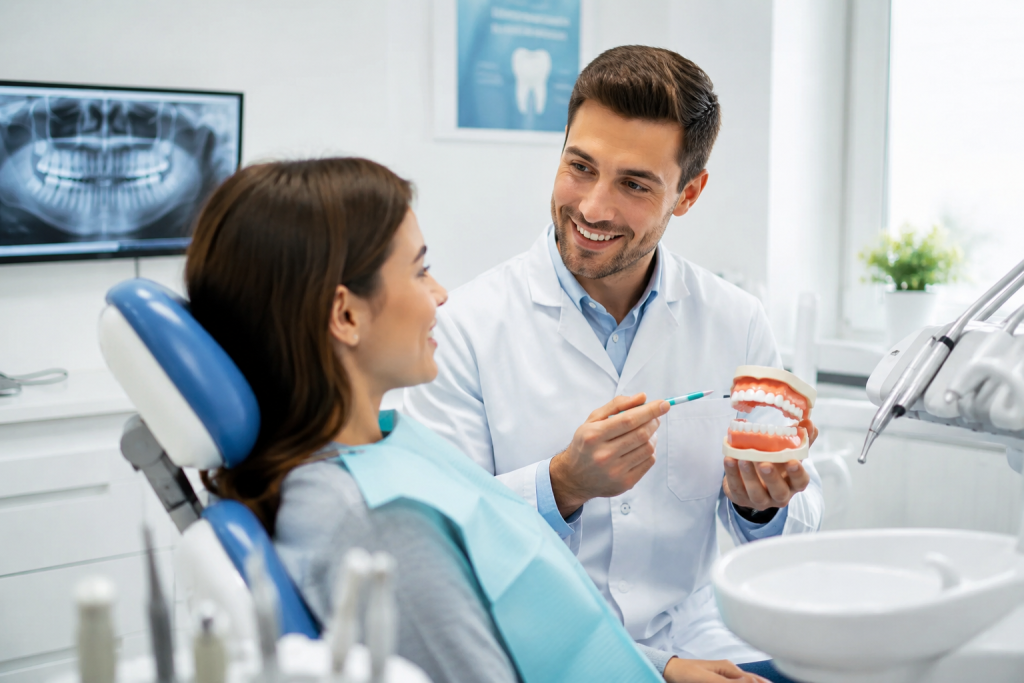
A friendly dental expert explains the implant process, common concerns like pain or eligibility, and ways to extend implant longevity using simple preventive habits. Expect clear comparisons of local affordable options, what modern implant care looks like, and steps to schedule a consult so you can start your smile journey with confidence.
Understanding Dental Implants
Dental implants replace missing teeth with a fixed, long-term solution that restores chewing, speech, and appearance. They involve a titanium post in the jaw, a connector (abutment), and a custom crown; success depends on bone health and proper planning.
What Are Dental Implants?
Dental implants consist of three main parts: a titanium implant placed into the jawbone, an abutment that connects the implant to the visible restoration, and a custom crown designed to match adjacent teeth. The titanium post osseointegrates — it fuses with bone — providing a stable root-like foundation that resists movement and preserves jawbone volume.
Implants can replace a single tooth, support a bridge, or secure a full-arch prosthesis. Typical timelines vary: placement, healing (osseointegration) of 3–6 months in many cases, and final crown delivery. Modern implants and digital planning reduce chair time and improve fit.
Common materials include titanium or titanium alloys for the implant and ceramic or porcelain-fused-to-zirconia for crowns. Local anesthesia and sedation options keep patients comfortable during surgery. Post-op care focuses on gentle cleaning and short-term pain control.
How Implants Compare to Bridges and Dentures
Implants replace the tooth root, while traditional bridges rely on adjacent teeth for support. Bridges require grinding healthy teeth and may accelerate wear on those supports. Implants avoid altering neighboring teeth and better preserve bone height over time.
Removable dentures sit on gum tissue and can shift during eating or speaking. Implant-supported dentures lock onto implants for improved stability, chewing efficiency, and comfort. Patients commonly report fewer dietary restrictions with implants.
Cost and timeline differ: bridges and dentures usually cost less upfront and complete faster. Implants involve surgery and a longer healing phase, but they often last longer and need fewer replacements. Maintenance for implants focuses on flossing and regular dental cleanings, similar to natural teeth.
Who Is a Good Candidate for Implants?
Good candidates have sufficient jawbone density and healthy gums, are free from uncontrolled systemic conditions (like untreated diabetes), and do not smoke heavily. Bone volume can be assessed with a cone-beam CT scan; bone grafting or sinus lift can enable implants when bone is inadequate.
Age is less important than overall health and oral hygiene. Patients must commit to daily cleaning and regular dental visits to protect implant health. Medications affecting bone metabolism (for example, certain bisphosphonates) require coordination with the dentist and physician.
A thorough evaluation includes medical history review, oral exam, imaging, and treatment planning. The dentist discusses expectations, timeline, costs, and sedation options so patients make informed choices and feel comfortable moving forward.
The Process of Getting Dental Implants
This section explains what patients can expect from the first appointment through final restoration, including exams, surgery steps, and typical recovery milestones. It highlights costs, timelines, and comfort measures common in Mobile, AL clinics.
Initial Consultation and Assessment
The clinic begins with a focused exam that includes a clinical dental evaluation, a panoramic X-ray, and often a CBCT scan to map jawbone volume and nerve locations. The dentist reviews medical history, current medications, and any smoking or diabetes concerns that affect healing.
Patients receive a written treatment plan showing the number of implants, estimated costs, and whether bone grafting or sinus lift is needed. The plan lists options for sedation (local anesthetic, nitrous oxide, or oral/intravenous sedation) and explains insurance or financing alternatives.
The team discusses provisional restorations if teeth will be extracted the same day and provides preoperative instructions: stop certain blood thinners only when cleared by a physician, avoid smoking, and arrange a ride home if sedated. Clear, realistic expectations about success rates and maintenance get emphasized.
Step-by-Step Implant Procedure
First stage: if necessary, tooth extraction and bone grafting occur under local or IV sedation; grafts may use autograft, allograft, or synthetic material and typically add 3–6 months before implant placement. Implant placement involves drilling a precise osteotomy and inserting a titanium or zirconia implant fixture.
Abutment attachment may occur at implant placement (immediate) or after osseointegration (delayed). A temporary crown or denture can be placed same-day in selected cases when primary stability is sufficient. The final step is taking digital or conventional impressions and fabricating the permanent crown, bridge, or implant-retained denture.
Throughout, clinicians use sterile technique and local anesthesia; antibiotics and analgesics are prescribed selectively. The provider documents each stage and provides a timeline, cost breakdown, and post-op care instructions in writing.
Timeline for Recovery and Results
Immediate post-op: expect swelling and mild-to-moderate discomfort for 2–4 days, managed with prescribed or OTC pain relievers and cold packs. Soft foods are recommended for 7–14 days; chewing on the implant side should be avoided until stability is confirmed.
Osseointegration usually takes 3–6 months for lower jaws and 4–7 months for upper jaws, depending on bone quality and smoking status. If bone grafts were placed, add another 3–6 months for graft integration before implants are inserted.
Follow-up visits occur at 1 week, 1 month, then every few months during integration; final restoration occurs after clinical and radiographic confirmation of stability. Long-term success depends on oral hygiene, regular dental visits, and avoiding tobacco; with proper care, implants can last decades.
Affordable Options in Mobile, Alabama
Patients can find several practical routes to lower the cost of dental implants in Mobile: local clinics with discounted implant packages, flexible financing and in-house payment plans, and insurance or alternative benefit programs that may offset part of treatment. Choosing a clinic that combines clear pricing, staged treatment, and patient financing often yields the best balance of quality and affordability.
Local Providers Offering Budget-Friendly Care
Mobile has clinics that specialize in implant restorations and offer lower-cost options without compromising standards. Community dental centers and some private practices negotiate bulk pricing for implants and partner with local labs to reduce lab fees.
Many periodontists and oral surgeons in the area run periodic implant specials or package pricing that bundles consultation, surgery, implant post, abutment, and crown at a reduced rate. Patients should ask for a written itemized estimate showing each component (diagnostic imaging, implant device brand, bone grafting, crown material) to compare apples to apples.
Dental schools and residency programs near Mobile sometimes provide supervised implant treatment at reduced fees. These options may take longer but keep care supervised by experienced faculty. Patients should verify provider credentials, implant brand used, and warranty or follow-up policies before committing.
Financing and Payment Plans
Most Mobile practices offer multiple payment options to spread cost over time. Typical choices include 6–24 month interest-free plans, extended low-interest loans through third-party medical credit companies (for example, CareCredit), and practice-run in-house payment arrangements. Patients should compare the APR, monthly payment, and total cost over the loan term.
Ask whether a down payment is required and whether financing covers all phases of treatment (surgery, provisional restorations, final crowns). Some clinics allow staged treatment so patients can pay for implant placement first and finalize the crown later, which eases immediate expense. Request a payment schedule in writing and confirm policies for missed payments and adjustments.
Insurance Coverage Considerations
Most dental insurance plans categorize implants as restorative and may limit coverage or exclude implants entirely. Patients should review their plan’s benefits booklet or call their insurer to confirm whether implant surgery, prosthetic crowns, or bone grafting receive any coverage. Ask about annual maximums, waiting periods, and whether pre-authorization is required.
If primary dental insurance offers limited implant coverage, consider combining benefits: use medical insurance for medically necessary procedures, apply flexible spending accounts (FSA) or health savings accounts (HSA), and submit claims to a secondary insurer if available. Some practices will submit predetermination estimates to insurers to clarify patient responsibility before treatment begins.
Benefits of Choosing Local Implant Services
Local implant services make care easier to access and coordinate. Patients often find clearer communication, faster follow-ups, and cost savings when they choose a nearby practice.
Personalized Care from Nearby Dentists
Nearby dentists can tailor every step of implant treatment to a patient’s specific medical history and lifestyle. They review local X-rays and prior dental records in person, discuss anesthesia options based on the patient’s health, and plan implant size and placement to fit the patient’s jaw anatomy rather than using generic templates.
Continuity matters: the same clinical team often handles consultation, surgery, and prosthetic work. That reduces miscommunication between providers and shortens the time between implant placement and final restoration.
Local practices also know regional lab partners and material availability. That familiarity helps ensure timely delivery of crowns and abutments and lets dentists recommend cost-effective materials that match the patient’s aesthetic needs and budget.
Convenient Follow-Ups and Support
Being close to the practice shortens travel time for essential post-op checks and adjustments. Patients can attend 1-week, 1-month, and 3-month follow-ups without long drives, which improves healing monitoring and early detection of complications such as infection or implant mobility.
Emergency access improves with local care. If a patient experiences unexpected pain, swelling, or prosthesis issues, nearby clinics can offer same-day assessments or quick referrals for imaging and intervention.
Local teams also provide easier coordination for hygiene visits and maintenance. Regular cleanings, peri-implant evaluations, and adjustments to the restoration happen on a schedule that fits the patient’s daily life, supporting long-term implant success.
Making Your Dental Implants Last
Proper daily care and regular professional maintenance keep implants stable and comfortable for years. Patients should focus on plaque control, gentle cleaning around the implant, and timely dental visits to catch problems early.
Easy At-Home Care Tips
Brush twice daily with a soft-bristled brush and non-abrasive fluoride toothpaste to remove plaque without scratching the implant crown. Use short, gentle strokes along the gumline and around the implant-abutment junction where bacteria collect.
Floss once daily using floss designed for implants, a floss threader, or a water flosser to clean beneath the gum margin and between teeth. Pay special attention to the contact points with adjacent teeth to prevent food packing.
Use an antibacterial mouthrinse (chlorhexidine or an ADA-accepted rinse) for short-term use after surgery or if inflammation appears. Avoid abrasive whitening products and hard foods (ice, unpopped popcorn kernels) that can chip crowns or stress the implant.
Keep tobacco use low or eliminate it entirely; smoking increases the risk of implant failure and delayed healing. Maintain a balanced diet rich in calcium and vitamin D to support bone health around the implant.
Routine Checkups and Maintenance
Schedule professional exams every 3–6 months initially, then at least once a year, based on the clinician’s recommendation and oral health status. The dentist will assess implant stability, soft tissue health, and crown integrity during these visits.
Expect periodic radiographs (bitewings or periapicals) to monitor bone levels around the implant. Early bone loss shows up on X-rays before symptoms appear, allowing less invasive treatment.
Professional cleaning around implants uses special instruments—plastic or titanium scalers and polishing cups—to avoid scratching the restoration. Hygienists will remove calculus and check for signs of peri-implant mucositis or peri-implantitis.
Report any mobility, persistent soreness, gum bleeding, or changes in bite promptly. Early intervention (deep cleaning, antibiotic therapy, or minor restoration adjustment) often prevents more extensive procedures.
Addressing Common Concerns
Patients considering implants often worry about pain, recovery time, and feeling anxious in the chair. This section lists what to expect during treatment and practical steps to reduce fear so patients can make informed choices.
Comfort During and After Treatment
Most modern implant procedures use local anesthesia; patients feel pressure but not sharp pain during placement. Surgeons in Mobile, AL typically administer a local nerve block and may offer oral sedation for added relaxation when needed.
Post-operative discomfort usually peaks 24–48 hours and responds well to over-the-counter NSAIDs like ibuprofen or prescribed analgesics if necessary. Swelling and minor bruising are common; applying ice the first 12 hours and then warm compresses after 48 hours helps reduce swelling and speed comfort.
Soft-food diets (soups, smoothies, mashed potatoes) for 3–7 days protect the site while it begins to heal. Sutures are often dissolvable, but a follow-up visit at 7–10 days confirms healing and removes non-dissolvable stitches if used.
Follow-up care includes avoiding smoking for at least two weeks, maintaining gentle oral hygiene around the implant, and attending scheduled checks every few months initially. These steps lower infection risk and improve long-term comfort.
How to Manage Anxiety or Dental Fears
Many practices in Mobile offer multiple anxiety-management options tailored to patient needs. Options include oral sedatives taken before arrival, nitrous oxide for light sedation during the appointment, and IV sedation for deeper relaxation under monitoring.
Patients should discuss prior negative experiences and medical history with the dentist before the procedure; this allows staff to adjust medication, pace, and explanations to the patient’s comfort level. Clear, step-by-step briefings immediately before surgery reduce surprise and increase trust.
Breathing techniques, noise-cancelling headphones, and the presence of a support person during check-in can significantly lower stress. Clinics often provide written and verbal post-op instructions so patients feel prepared at home, which reduces anxiety about recovery.
If fear is severe, referral to a specialist in dental anxiety or a consultation to review sedation risks and benefits offers an extra layer of support. Call or message the dental office to discuss available sedation options and to schedule a pre-procedure consultation.
Empowering Your Smile Journey
They begin by listening to each patient’s concerns and dental history, creating a plan that fits medical needs and budget. Clear explanations help patients feel informed without medical jargon.
The clinic emphasizes comfort throughout treatment, using local anesthesia and sedation options when appropriate. Short, focused visits reduce anxiety and make appointments manageable for busy schedules.
Patients learn about modern implant options, from single-tooth implants to implant-supported dentures. Visual aids and simple comparisons clarify how implants differ from bridges and removable dentures.
Financing and payment plans make care more accessible in Mobile, AL. A brief checklist helps patients prepare for consultations:
- Medical and dental history
- Current medications
- Questions about cost, timeline, and recovery
Aftercare guidance focuses on practical steps: gentle brushing, soft foods for a few days, and routine checkups. Clear timelines for healing and follow-up visits set realistic expectations.
They encourage patients to ask questions and discuss fears openly. A friendly invitation prompts readers to schedule a consultation or call the office to explore options.
Frequently Asked Questions
This section answers specific cost, qualification, and treatment questions about dental implants in Mobile, Alabama. It focuses on typical price ranges, payment options, clinical qualifications, implant types, recovery expectations, and local low-cost resources.
How much do dental implants typically cost in Mobile, Alabama, and what factors change the price?
Single-tooth implant placement in Mobile commonly ranges from $2,000 to $4,500 for the implant, abutment, and crown combined.
Prices shift based on implant brand, bone grafting needs, CBCT imaging, the provider’s experience, and whether the crown uses porcelain-fused-to-metal or all-ceramic materials.
Full-arch restorations (implant-supported bridges) typically run from $15,000 to $40,000 per arch depending on the number of implants and the prosthesis type.
Pre-existing conditions like severe bone loss, sinus lifts for upper-jaw implants, or the need for extractions add to the total cost.
What affordable payment options are available for dental implants if I don’t have insurance?
Many Mobile dental offices offer third-party financing such as CareCredit or in-house monthly payment plans with low or no interest.
Patients may use dental savings plans that reduce fees for implants and related procedures; these plans usually charge an annual membership instead of traditional insurance.
Some practices allow splitting treatment into stages (implant placement first, crown later) to spread costs over several months.
Veterans and qualifying low-income patients should ask about special discounts or sliding-scale fees at local clinics.
Can I qualify for dental implants if I have gum disease or have been missing teeth for a long time?
Active periodontal disease must be treated before implant placement; treating gum disease often restores eligibility.
If tooth loss occurred years ago, bone resorption may require grafting or sinus augmentation to provide a stable implant foundation.
After gum disease treatment and successful bone grafting, many patients receive implants with the same success rates as others.
A thorough evaluation with X-rays or CBCT in Mobile will determine specific preparation needs and a realistic timeline.
What’s the difference between All-on-4 implants and traditional implants, and which is more budget-friendly?
All-on-4 uses four strategically placed implants to support a full-arch prosthesis; traditional implant-supported bridges or individual implants use more fixtures.
All-on-4 usually costs less per arch than placing eight or more individual implants and full crowns, making it a more budget-friendly option for full-arch replacement.
All-on-4 can reduce surgery time and often avoids extensive grafting, but prosthesis repair or replacement costs over time should factor into decisions.
A consultation can compare long-term costs, maintenance needs, and esthetic goals to determine the best fit.
Are same-day teeth or immediate-load implants a realistic option, and what should I expect during recovery?
Immediate-load implants (often called same-day teeth) attach a temporary prosthesis at the time of surgery when primary implant stability is achievable.
Mobile patients who qualify can walk out with functional temporary teeth but will still need months of healing before final restorations.
During recovery expect swelling, mild-to-moderate pain managed with prescribed or over-the-counter meds, and dietary limits to soft foods for several weeks.
Follow-up visits monitor osseointegration; patients must avoid heavy biting forces on the temporaries to prevent failure.
Where can I find low-cost dental care or implant assistance programs in the Mobile area if money is tight?
Mobile has community clinics and nonprofit dental programs that provide reduced-fee restorative care and referrals for surgical needs.
University dental schools in Alabama sometimes offer discounted services through supervised student clinics; wait times and availability vary.
Local dental societies and charity events occasionally run implant-related outreach or discounted surgery days—call area clinics and the Alabama Dental Association for current listings.
Patients should request itemized estimates and ask about staged treatment, financing, and discount programs during the first consult to plan affordable care.
If questions remain or a tailored estimate is needed, encourage the patient to schedule a consultation with a Mobile-area implant dentist to review options and create a comfort-focused plan.