
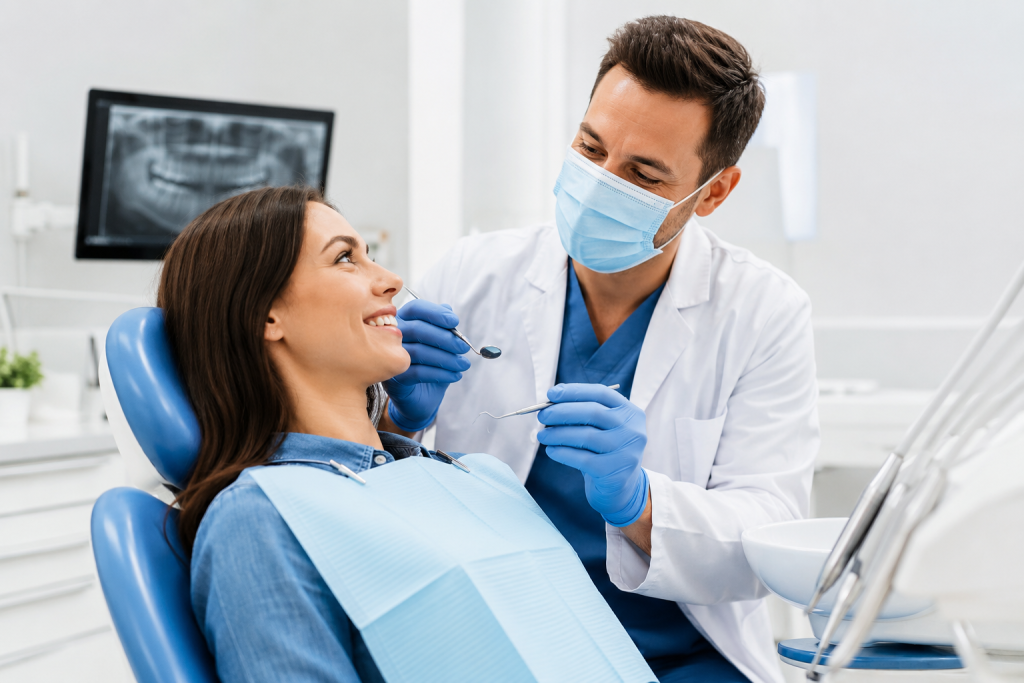
If a tooth problem hits unexpectedly in Mobile, Alabama, you can get fast, expert implant care that stabilizes bites and restores smiles. Emergency dental implants in Mobile focus on calming pain, preventing infection, and replacing lost teeth quickly using modern techniques so you can eat and speak with confidence.
They will explain what counts as a true dental emergency, how implants can be placed urgently or after short stabilization, and what to expect during a same-day or next-day implant visit. You’ll learn how providers in the Mobile area prioritize comfort, use updated technology, and offer payment options to make urgent implant care practical.
This article walks through timing, procedural steps, recovery tips, and how to choose a local implant team so you know the clear next steps when an emergency strikes. Expect straightforward guidance that helps you act quickly and confidently.
Understanding Dental Emergencies
This section explains which dental problems need immediate care and how to tell them from issues that can wait. It outlines common urgent situations and clear signs that require prompt treatment in Mobile, AL.
Common Urgent Dental Situations
- Severe tooth pain: Intense, throbbing pain that wakes a person at night or does not respond to over‑the‑counter pain relievers can indicate infection, a cracked tooth, or exposed nerve. Pain that radiates to the ear or jaw merits same‑day attention.
- Knocked‑out tooth (avulsion): If a permanent tooth is completely displaced, keep it moist (milk or saline), avoid touching the root, and see a dentist within 30–60 minutes for the best chance of reimplantation.
- Broken or fractured tooth: Large chips, visible cracks, or sharp fragments that cut the tongue require urgent repair to prevent infection and restore function.
- Uncontrolled bleeding: Bleeding from the mouth after trauma that won’t stop with firm pressure for 10–15 minutes needs immediate evaluation.
- Dental abscess or swelling: Localized pus, increasing facial swelling, fever, or difficulty breathing or swallowing may signal a spreading infection and requires urgent care and likely antibiotics.
- Lost restoration: A dislodged crown or filling that exposes dentin or causes pain should be addressed quickly to prevent decay and further damage.
How to Recognize a Dental Emergency
Look for sudden changes in function, appearance, or systemic signs. Emergencies often combine severe pain with swelling, bleeding, fever, or difficulty breathing.
- Pain characteristics: Sharp, persistent, or worsening pain that interferes with sleep, eating, or speaking suggests an emergency rather than routine sensitivity.
- Visible damage: Teeth that are loose, moved, cracked through to the pulp, or completely out are emergencies. Small, smooth chips without pain can often wait.
- Infection indicators: Redness, warmth, throbbing swelling, pus drainage, and fever point to an abscess. Any swelling that affects the tongue, floor of mouth, or airway requires immediate transport to emergency care.
- Systemic symptoms: Fever, malaise, or swollen lymph nodes accompanying oral pain mean the infection may be spreading.
- When in doubt: If a person cannot control bleeding, breathe or swallow normally, or has severe uncontrolled pain, seek emergency dental or medical care right away.
Patients in Mobile, AL are encouraged to contact local emergency dental providers or emergency rooms if any of these signs appear.
What to Expect With Emergency Dental Implants
Expect clear, step-by-step care focused on pain control, infection prevention, and restoring chewing and appearance quickly. The team will assess, stabilize, and discuss immediate versus staged implant options, including timing, costs, and follow-up.
Immediate Steps After Tooth Loss
The clinician will first control bleeding and pain. They will apply pressure, provide gauze, and may give local anesthesia or prescribe short-term analgesics to manage discomfort.
A focused exam follows: X-rays or a cone-beam CT check for fractures, bone loss, and root fragments. If infection or severe bone damage exists, the dentist may perform socket cleaning and place antibiotics before proceeding.
The office documents the injury for insurance and provides aftercare instructions: avoid vigorous rinsing, stick to soft foods, and refrain from smoking. They schedule a same-day assessment for implant candidacy or an appointment to place a temporary prosthesis when indicated.
The Role of Same-Day Implants
Same-day implants (also called immediate-load implants) allow a crown or prosthesis to be attached within hours of implant placement when primary stability and bone quality are sufficient. The dentist evaluates bone density, implant torque at placement, and occlusion to determine if immediate loading is safe.
Patients receive a temporary crown or bridge made to protect the implant and maintain appearance while osseointegration begins. This temporary is typically nonfunctional or limited-function to reduce stress on the new implant during the critical healing period.
Follow-up visits occur at 1–2 weeks, 3 months, and 6 months to monitor healing, adjust the temporary, and plan the final restoration. If the implant lacks initial stability, the clinician may stage treatment: place the implant and delay the crown until full integration.
Choosing a Dental Implant Provider in Mobile, Alabama
Selecting the right provider affects treatment success, comfort, and costs. Patients should compare training, technology, and patient reviews to find a clinic that matches their needs.
Key Qualities to Look For
Look for a provider with specific implant training, such as a residency in oral surgery or continuing education in implantology. Board certification or membership in professional organizations (e.g., American Academy of Implant Dentistry) indicates ongoing standards and updated techniques.
Evaluate clinical experience by asking how many implants the dentist places annually and requesting before-and-after photos of cases similar to yours. Confirm the practice uses modern imaging like CBCT scans for precise treatment planning and guided surgical guides to improve placement accuracy.
Check that the clinic offers a written treatment plan with itemized costs, staged timelines, and options for sedation or local anesthesia. Read recent patient reviews on Google and Healthgrades, paying attention to comments about follow-up care, infection management, and prosthetic fit.
How Local Experts Ensure Comfort
Local Mobile providers often emphasize comfort through exam-room amenities and sedation choices tailored to patient anxiety levels. They typically offer nitrous oxide, oral sedatives, or IV sedation administered by trained staff for longer procedures.
Preoperative protocols reduce anxiety and complications: pre-op CBCT imaging, comprehensive medical history reviews, and coordination with the patient’s physician when needed. Clinics in Mobile usually provide same-day temporary crowns or immediate-load options when clinically appropriate, minimizing time without a tooth.
Postoperative support matters: look for practices that schedule regular follow-ups, provide clear aftercare instructions, and offer direct contact for emergency questions. Many local offices also include digital monitoring or teledentistry check-ins to address concerns quickly.
Implant Technology and Modern Techniques
This section highlights the practical tools and methods clinicians use to replace missing teeth quickly and predictably, with a focus on patient comfort and precise outcomes. It explains what patients in Mobile, AL can expect from contemporary implant care.
Advancements in Tooth Replacement
Dental implants now use titanium or zirconia fixtures with surface treatments that encourage faster bone bonding. These materials reduce infection risk and improve long-term stability compared with older designs.
Clinics often offer same-day or immediate-load implants for select cases, allowing a provisional tooth the same day as placement. That speeds recovery and helps patients maintain appearance and chewing function during healing.
Clinicians also use customized abutments and CAD/CAM milled crowns to match tooth shape and color precisely. That customization reduces adjustment visits and produces a more natural bite and smile.
Minimally invasive flapless surgery and guided implant guides lower swelling, bleeding, and recovery time. In complex cases, bone grafting or sinus lifts restore support before implant placement.
Benefits of 3D Imaging and Digital Planning
Cone beam CT (CBCT) provides 3D views of bone volume, nerve locations, and sinus anatomy, enabling safe implant positioning. Surgeons measure bone height and width precisely to choose implant diameter and length.
Digital implant planning software simulates implant placement and prosthetic outcomes before surgery. That reduces unexpected findings during the procedure and improves prosthetic fit on the first try.
Printed or milled surgical guides translate the digital plan into exact drilling angles and depths, increasing accuracy and lowering surgical time. For patients, this means fewer complications and a higher chance of immediate restorations.
In-office digital scanners capture oral anatomy for same-day crowns and abutments, eliminating messy molds and shortening lab turnaround. The combined workflow prioritizes comfort, faster restoration, and predictable esthetic results.
Patient Experience and Comfort During Emergency Procedures
Patients can expect focused, fast care that prioritizes pain control and clear communication. Staff aim to minimize wait time, explain each step, and provide options tailored to medical history and anxiety levels.
What the Procedure Feels Like
Most patients report numbness in the treated area within minutes after local anesthetic is administered. They feel pressure and movement rather than sharp pain during implant placement; dentists check comfort repeatedly and pause when requested.
After surgery, soreness and throbbing are common for 48–72 hours. Swelling peaks on day two and can be managed with ice for the first 24 hours and warm compresses after. Simple analgesics such as ibuprofen or acetaminophen, as recommended by the clinician, usually control pain; stronger prescriptions are reserved for more extensive cases.
Patients often note that pre-procedure explanations reduce anxiety. Clear aftercare instructions—what to eat, how to clean the site, and warning signs to watch for—help make recovery smoother and reduce emergency return visits.
Sedation Options and Pain Management
Clinics in Mobile, AL typically offer a range of sedation choices based on procedure complexity and patient anxiety. Options include:
- Local anesthesia (lidocaine) for routine emergency implant placements.
- Oral sedatives (e.g., low-dose benzodiazepines) taken before arrival for patients with moderate dental anxiety.
- Nitrous oxide (laughing gas) to provide relaxation while keeping reflexes intact.
- IV sedation for lengthy or multiple procedures when deeper sedation is appropriate.
A brief preoperative assessment checks medications, allergies, and recent medical conditions to safely select sedation. Staff monitor vital signs throughout treatment and during recovery until the patient meets discharge criteria.
Pain management follows a staged plan: immediate local anesthetic, short-term prescription analgesics if needed, and a clear OTC regimen for home use. Instructions cover antibiotic use when indicated, avoiding driving after sedatives, and when to call the office for escalating pain or signs of infection.
Financing and Insurance for Urgent Dental Care
Costs, coverage limits, and timing matter most when a patient needs same-day implant help. Knowing which insurers, out-of-pocket options, and local payment plans accept urgent cases in Mobile will speed treatment and reduce stress.
Understanding Coverage Options
Many major dental insurers in Alabama—Delta Dental, Cigna, MetLife—treat emergency exams and extractions differently from implant placement. Emergency exam and pain-management visits usually fall under preventive or immediate-care benefits, but implant surgery often classifies as major restorative care and may require prior authorization.
Patients should call their insurer with procedure codes (D0140 for limited exam, D7111 for extraction, D6010 for implant placement) and confirm annual maximums, deductibles, and waiting periods.
Medicaid in Alabama rarely covers dental implants; it typically covers limited emergency services for adults. Medicare Part A/B does not cover routine dental or implants, though Medicare Advantage plans sometimes include supplemental dental benefits—check plan documents for coverage of implants or temporary fixes.
Request a pre-treatment estimate from the Mobile dental office; that written estimate speeds appeals and helps compare insurer payments to the clinic’s fee schedule.
Flexible Payment Plans in Alabama
Many Mobile dental practices partner with third-party financing companies like CareCredit, LendingClub Patient Solutions, and Sunbit to offer 3–60 month plans with fixed monthly payments. These plans commonly cover implants, bone grafts, and emergency visits, and applicants often receive instant decisions online.
Clinics may also offer in-house payment plans with no interest for short terms or modest interest for extended terms; terms, required down payment, and credit checks vary by practice.
Patients should compare total cost, interest rate (APR), and prepayment penalties. Request a clear written agreement that lists procedure codes, clinic discounts, estimated insurance payments, and patient responsibility.
For immediate needs, ask whether the clinic will stage care—address pain or infection first, then schedule implant placement—so insurance, financing, or emergency funds can be arranged without delaying critical treatment.
Aftercare and Recovery Tips
Patients should follow clear steps to reduce pain, prevent infection, and protect the new implant. Specific home care, medication timing, and activity limits make the biggest difference in how quickly and comfortably healing proceeds.
How to Promote Healing
He should take prescribed antibiotics and pain medication exactly as directed; finish the antibiotic course even if swelling decreases. Applying an ice pack to the cheek for 10–20 minutes every hour during the first 24 hours reduces swelling; switch to warm compresses after 48 hours if bruising or stiffness persists.
Gentle oral hygiene matters: rinse with warm salt water (1/2 teaspoon salt in 8 ounces water) starting 24 hours after surgery, four times daily. Avoid vigorous mouth rinsing and spitting for one week. Brush adjacent teeth gently with a soft-bristled brush, keeping surgical site movements minimal.
Diet changes help: eat soft, protein-rich foods like yogurt, scrambled eggs, and mashed potatoes for 7–14 days. Avoid hot beverages, crunchy snacks, nuts, seeds, and anything that could dislodge the implant or sutures. For the first week, use a straw only if suction does not cause discomfort.
Follow-up appointments are essential. Attend the one- to two-week check for suture removal and the 3–6 month implant integration check. Contact the dental office immediately for persistent bleeding, increasing pain, fever over 101°F (38.3°C), or implant mobility.
Avoiding Future Dental Emergencies
They should wear a custom-fitted nightguard if prone to grinding (bruxism); untreated grinding stresses implants and natural teeth. A splint prevents micro-movements that can lead to implant failure and reduces jaw joint pain.
Use a sports mouthguard during contact activities. Over-the-counter guards offer minimal protection; a dentist-fabricated guard fits precisely and absorbs impact, lowering the risk of fracture or implant displacement.
Maintain routine dental visits every 3–6 months for professional cleaning and implant assessment. The hygienist will use implant-safe instruments and check for peri-implantitis indicators like bleeding on probing, recession, or pocket depth increases.
Practice conservative habits: avoid chewing ice, popcorn kernels, or hard candies. If a restoration chips or feels loose, call the clinic promptly to prevent infection or damage to the implant fixture. Regular home checks and timely dental care reduce the chance of emergency visits.
Why Prompt Dental Implant Treatment Matters
When a tooth is lost or severely damaged, timely implant treatment reduces the risk of bone loss. Bone begins to resorb within weeks to months after tooth loss, which can complicate future implant placement and change facial support.
Early treatment helps preserve adjacent teeth and bite alignment. Teeth next to a gap can drift, leading to uneven wear, chewing difficulty, and longer restorative work later.
Prompt care lowers the chance of infection and chronic inflammation. Addressing trauma or infected teeth quickly improves healing and decreases the need for more invasive procedures.
Immediate or early implants can restore function and confidence faster. Many patients in Mobile, AL, benefit from modern options like same-day provisional crowns that let them eat and smile while healing continues.
Financial and time costs are often less when problems are treated early. Fewer staged surgeries and less need for grafting typically shorten the treatment timeline and reduce cumulative expenses.
Practical next steps for patients:
- Seek evaluation within days of tooth loss or trauma.
- Ask about bone-preserving techniques and immediate provisional options.
- Request a clear timeline and cost estimate suited to their medical and lifestyle needs.
They should call their local dental implant specialist to discuss urgency, comfort measures, and available appointment times.
Next Steps: Scheduling Your Emergency Consultation
Call the dental office as soon as possible to explain the emergency and request an urgent appointment. Staff will prioritize based on severity and provide instructions for pain control or temporary care before arrival.
Gather basic information to speed the process: a brief medical history, current medications, dental insurance details, and any photos of the injury or missing tooth. If pain or bleeding is present, describe symptoms clearly so the team can prepare appropriate resources.
Expect a quick triage call that may offer same‑day or next‑day slots; they will also advise whether an emergency room visit is necessary first. Many practices reserve short notice appointments specifically for traumatic dental events.
Bring a list of questions about immediate care, implant suitability, and estimated costs to the consultation. The clinician will assess the injury, take necessary imaging, and explain options like immediate implant placement or temporary stabilization.
Consider these items to bring:
- Photo ID and insurance card
- Any imaging taken elsewhere (X‑rays, photos)
- A list of medications and allergies
After the exam, the dentist will outline a treatment plan, timeline, and pain management approach. They will also schedule follow‑up visits and explain what to do if symptoms change before the next appointment.
Call now to arrange the consultation or use online booking if available; prompt evaluation improves outcomes and comfort.
Frequently Asked Questions
This section addresses same-day implant possibilities, immediate steps after tooth loss from accidents, typical costs in Mobile, payment and financing options, after-hours urgent dental care, and the meaning of the “3–2 rule” for treatment timing. Answers focus on what patients can expect, practical steps to take, and local resources in Mobile, AL.
Can an implant be placed the same day a tooth is removed in an emergency?
Yes, same-day (immediate) implant placement is possible when there’s no active infection, sufficient bone, and good primary stability. A dentist or oral surgeon will evaluate with clinical exam and often a CBCT scan before deciding.
If the socket is infected or bone is inadequate, they will extract, manage infection or graft bone, and delay the implant to improve success rates. Same-day placement sometimes uses a temporary crown while the implant integrates.
What should I do if I lose a tooth and need a replacement quickly after an accident?
Preserve the tooth if possible by keeping it in milk or saline and seeing a dentist within an hour; reimplantation may be an option for some avulsed adult teeth. If reimplantation isn’t feasible, contact an emergency dentist to assess extraction site condition and discuss immediate implant evaluation.
Bring any imaging, a list of medications, and details of the accident to the visit. Pain control, infection prevention, and temporary cosmetic options (flipper, temporary bridge) will be addressed right away.
How much does an implant typically cost in the Mobile area, and what factors change the price?
Typical single-tooth implant costs in Mobile, AL, range roughly from $2,000 to $4,500 for the implant and abutment; a finished crown commonly adds $800–$2,000. Costs vary by clinician experience, implant brand, need for bone grafting or sinus lift, and whether a CBCT scan or sedation is required.
Complicated cases—multiple implants, guided surgery, or extensive grafting—raise the price. Ask clinics for an itemized estimate so you can compare specific line items like diagnostics, materials, and follow-up visits.
Are there payment plans or financing options if I’m worried about affording an implant?
Many dental offices in Mobile offer in-house payment plans, third-party healthcare financing (CareCredit, LendingClub, etc.), and partnership options that spread payments over months. Some offices also accept major credit cards and will help maximize dental insurance benefits for portions of the treatment.
Patients should request written financing terms and compare interest rates and fees. Clinics often provide a financial coordinator to explain options and set up manageable plans.
Where can I find urgent dental care after hours or on weekends when I’m in pain?
Several Mobile dental clinics and hospital-affiliated dental centers provide weekend or evening emergency appointments; call local practices to confirm hours. The Mobile County Health Department and regional hospitals can direct patients to on-call oral surgeons for severe trauma or uncontrolled bleeding.
For severe pain, swelling, fever, or difficulty breathing, go to the nearest emergency department immediately and notify them you need an urgent dental or oral surgery consult. Keep a list of nearby 24-hour clinics saved on your phone for rapid access.
What does the “3–2 rule” mean for implants, and how does it affect my treatment timeline?
The “3–2 rule” often refers to waiting three months for lower jaw (mandible) healing and two months for upper jaw (maxilla) healing before placing a final restoration after implant placement. Clinicians use this guideline to allow osseointegration and tissue stability, though individual factors can shorten or lengthen the timeline.
Bone quality, presence of grafts, systemic health, and immediate-load protocols can change timing. A dentist will provide a personalized schedule based on imaging and clinical healing progress.
If they want an evaluation or a second opinion, patients should call a local implant specialist to discuss options, timelines, and next steps.